How to insulate a canvas tent for winter
Insulate a canvas tent from the ground up: raise or insulate the floor, hang a breathable liner with an air gap inside the canvas, close draughts at the base with the storm skirt or sod cloth, and keep high vents open so moisture escapes. Then heat it safely, with a wood stove through a proper stove jack or with electric heating, and fit a carbon monoxide alarm wherever anything burns.
6 min read · Updated
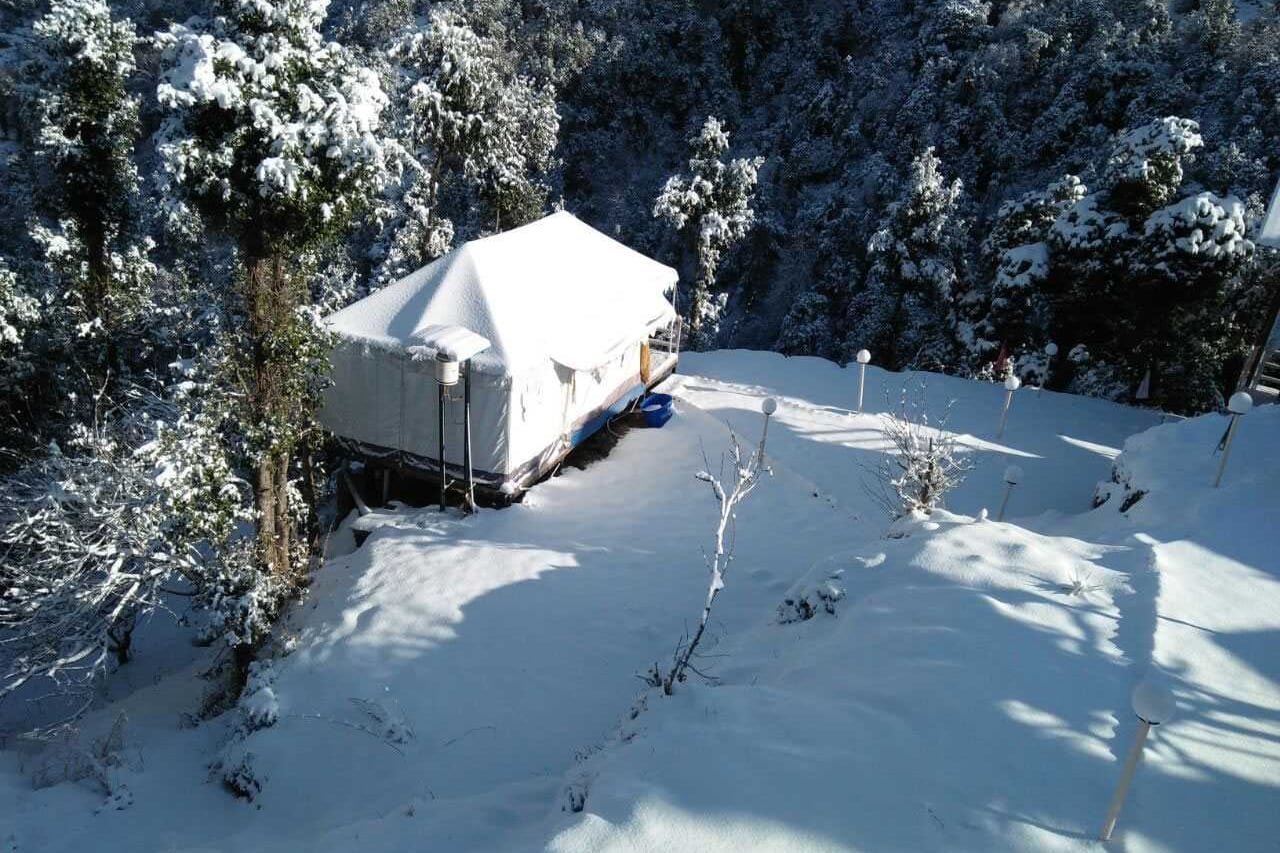
Where a canvas tent loses heat
A single skin of canvas is a weather layer, not insulation. Heat leaves a tent through the floor into cold ground, through the walls and roof, in draughts under the skirt and round the doors, and with warm air escaping through the vents. The floor is the one people underestimate. Lying on cold ground or a thin groundsheet drains heat all night, however warm the air above feels.
The aim is to slow each of those losses without stopping the airflow that carries moisture away. Seal a canvas tent completely and the water vapour from breathing, damp clothes and any heater has nowhere to go, so it condenses on the cold canvas and soaks the liner.
Start with the floor
Every winter tent we have seen work well had a properly built floor. In order of effectiveness:
Raise beds off the floor too. A camp bed or proper bed frame keeps sleepers above the coldest air, which pools at ground level. Bell tents have a zipped-in PVC groundsheet; a separate groundsheet underneath protects it and adds a layer.
- Best: a raised timber deck with insulation fixed between the joists. It lifts the floor out of frost and damp and is the usual base for winter glamping.
- Good: a groundsheet under the tent, the tent’s own floor, then closed-cell foam or interlocking foam tiles, then rugs.
- Finish with wool rugs or sheepskins over the insulation. Wool stays warm when slightly damp.
- Avoid thin plastic sheets on their own, and any build-up of layers that traps water without letting it dry.
Liners and the air gap
An inner liner hung a few centimetres inside the canvas does more than any other single addition, because the still air between the two layers insulates. Our yurts come with a wool-blend insulating liner as part of the structure; the 16 ft Yurt pairs it with 480 gsm canvas and a hardwood lattice, which together make it one of the warmest tents we build. The Winterised Relief Tent uses a quilted liner for the same reason.
For bell tents and framed tents, a liner can be made to fit. Choose materials that breathe, such as cotton, felt or wool blends, rather than foil bubble wrap or plastic sheet. Reflective plastic has its uses in vehicles and sealed rooms, but against canvas it stops the cloth passing moisture and becomes a cold, wet surface of its own. Leave the gap open at the top so warm, moist air can reach the vents.
Draughts, doors and the base of the wall
Cold air comes in at the bottom of a tent. A storm skirt or sewn-in sod cloth turned in under the groundsheet, or weighed down outside, closes that gap. Our 5M Bell Tent has a full-circumference storm skirt for this reason. On framed tents, check the joint where the walls meet the floor tray.
Doors lose heat every time they open. A heavy curtain hung inside the door, or a small porch, works as an airlock. Close windows at night but leave at least one vent partly open.
Ventilating a heated winter tent
Keep at least one high vent open at all times and open the tent to the air on dry days. In a tent with any combustion, including a stove or a gas lamp, ventilation also supplies oxygen and clears any flue gas that escapes.
Fit a carbon monoxide alarm and a smoke alarm in every heated tent, positioned as the alarm maker instructs, and test them before each stay. If the liner or bedding is damp in the morning, the tent needs more ventilation, not less.
Choosing a heater for a canvas tent
Insulation reduces the heat you need, but in real cold you still need a heater. The common options compared:
Our guide to using a wood stove in a canvas tent safely covers stove jacks and clearances in detail. For guests, electric heating is often easier to manage safely than a stove they have never lit before.
| Heater | Suits | Must have |
|---|---|---|
| Wood stove | Off-grid camps, yurts, bell tents, tipis | Properly made stove jack, flue with spark arrestor, hearth board, clearances, CO and smoke alarms |
| Electric panel or oil-filled radiator | Sites with a proper power supply | Outdoor-rated wiring with residual current protection installed by an electrician, tip-over cut-out, clearance from canvas |
| Flued diesel heater | Remote camps with a fuel supply | Exhaust fully flued outside, installed to the maker’s instructions, CO alarm |
| Unflued gas or paraffin heater | Not suitable | Do not use in any tent: carbon monoxide and fire risk |
| Barbecue, brazier or fire pit | Not suitable | Never bring inside, even when it seems to have gone out |
Bedding, and choosing a tent for winter
Warm bedding lets you run the heater lower overnight. Our Double Envelope Bag is sized for a bell tent and has no cold seam down the middle, and wool blankets over a duvet work well for guest beds.
If you are buying for winter, the structure matters most. A yurt, or a heavier-cloth tent on an insulated deck, will always be easier to heat than a light tent on the ground, and a smaller volume heats faster, so a 5 m bell tent is easier to keep warm than a 6 m one. Contact us with your site, lowest temperatures and heating plan. Catalogue guide prices are ex-works, from $350 for the 5M Bell Tent, with the 16 ft yurt priced on enquiry; freight, duties and finishing change the landed cost.
Questions buyers ask
What is the best way to insulate a bell tent?
Insulate the floor first, add a breathable inner liner with an air gap, close the base with the storm skirt and keep a high vent open. Then heat it with a properly fitted stove or an electric heater.
Should I use foil insulation in a canvas tent?
We advise against putting it against the canvas. It stops the cloth passing moisture and becomes a surface for condensation; breathable liners of cotton, felt or wool do the job better.
Can a canvas tent be used in winter?
Yes, canvas has been used for winter camps for generations. With a liner, an insulated floor and safe heating, a well-pitched canvas tent is comfortable in serious cold.
Why is the inside of my tent wet in the morning?
Condensation. Increase ventilation, dry the liner and bedding during the day, and avoid drying wet clothes inside overnight.
Do I need a carbon monoxide alarm in a tent?
Yes, in any tent with a stove, heater or anything else that burns fuel. Position it as the maker instructs, test it before each stay and replace batteries on a schedule.