Cotton duck canvas weights and what each is for
Cotton duck is a tightly woven, plain-weave cotton canvas sold by weight in ounces. On a square-yard basis, 10 to 12 oz duck (about 340 to 410 gsm) suits totes, aprons and light covers; 14 oz suits structured and waxed bags; 18 to 20 oz (about 610 to 680 gsm) is for duffels, tool rolls, firewood carriers and anything that has to stand up on its own. Plain duck is untreated, so it is not a substitute for rot- and UV-treated tent canvas outdoors.
6 min read · Updated
What cotton duck is
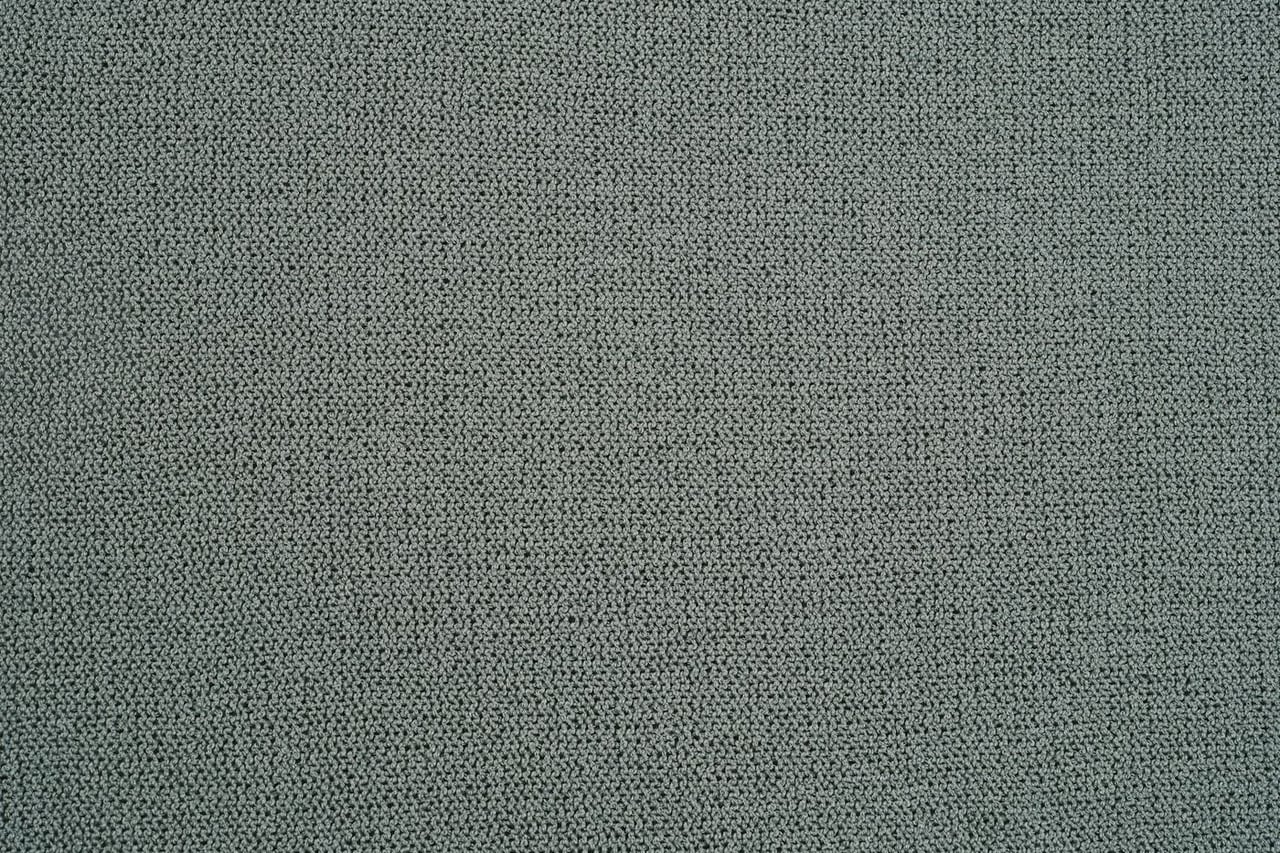
Duck is a heavy, plain-woven cotton cloth with a tight, firm weave and a smooth face. The name is usually traced to the Dutch word doek, meaning cloth. It is the workhorse of canvas goods: bags, aprons, covers, director’s chair slings, artists’ canvas and industrial uses.
Duck is usually sold mill-finished: woven, possibly dyed, and otherwise untreated. Our Cotton Duck, 12 oz is 100% cotton, plain weave, greige or piece-dyed, unwaxed, at 150 cm width. It is a different product from our treated tent canvas, which carries a mill-applied rot, mould, UV and water-repellent finish.
The ounce systems, and why they confuse people
Duck weight is quoted in ounces, but there are several conventions in use:
- Ounces per square yard: the most common modern basis. 1 oz/yd² is about 33.9 gsm, so 12 oz duck is roughly 407 gsm.
- Ounces per linear yard at a set width: a traditional basis, especially in older US trade usage. Because the fabric width is less than a yard, the same number describes a heavier cloth per square yard.
- Numbered duck: an older grading for heavy industrial duck in which the number runs the opposite way: the lower the number, the heavier the cloth. As a rough guide, No. 10 is around 15 oz and No. 4 around 24 oz per square yard.
Cotton duck weights and their uses
Weights converted on a square-yard basis, with the products in our range that use each one:
| Weight | Approx. gsm | Character | Typical uses |
|---|---|---|---|
| 10 oz | 340 | Soft, drapes well | Light bags, cushion covers, linings |
| 12 oz | 407 | Soft but holds a shape | Totes, shoe bags, organisers, lamp shades |
| 14 oz | 475 | Structured; ideal for waxing | Laptop totes, backpacks, aprons, bedroll outers |
| 18 oz | 610 | Stiff; stands up empty | Duffels, heavy totes, tent and pole bags, chair slings |
| 20 oz | 678 | Behaves like a panel | Firewood carriers, storage baskets, utility trays |
How weight changes what you can make
Across our own range the weights fall into place by function. The Canvas Tote is 12 oz: soft enough to fold, firm enough for a boxed base. The Heavy Canvas Tote is 18 oz and stands up empty. Duffels, the tent storage bag and the pole bag are 18 oz because they carry weight and take abrasion. The Firewood Carrier is 20 oz because it has to carry split logs and then lie flat by a fire.
If you are designing a product, the useful question is what the cloth has to do unsupported. A bag with a stiffener or frame can use a lighter duck than one that relies on the canvas alone to hold its shape. Our laundry hamper is 18 oz with concealed board panels; without them it would need to be heavier still.
The jump from 14 to 18 oz is where canvas stops behaving like a fabric and starts behaving like a panel. Heavier duck is stronger and more abrasion resistant, but it is also harder to sew, harder to turn through at corners and less forgiving of tight radii.
Waxed or unwaxed, greige or dyed
Waxed duck is impregnated with a wax blend that makes it water-resistant, darkens the colour and gives the creased, aged look waxed bags are known for. It suits 14 and 18 oz cloth well. Waxing adds weight and stiffness, can transfer slightly in heat, and needs re-waxing every so often. Our duffels and laptop totes use waxed duck; our plain totes do not.
Greige duck is the natural, loom-state colour, a warm off-white with visible flecks of seed husk. Piece-dyed duck is dyed after weaving. Ask about colour fastness if the goods will be washed or used outdoors.
Shrinkage, sewing and thread
Unwashed cotton duck can shrink noticeably the first time it is wet, and it does not always shrink equally in both directions. If the finished product will be washed, either pre-wash the cloth before cutting or ask the mill for its shrinkage figures and whether the cloth is pre-shrunk. Leave allowance in patterns.
For 18 oz and heavier, a domestic machine struggles; use an industrial walking-foot machine and a heavy needle. Use polyester or bonded polyester thread rather than cotton for anything used outdoors, because cotton thread rots long before the cloth does.
Two duck cloths of the same weight can still differ in quality. Hold a sample up to the light: a good duck shows an even, close weave with no thin streaks or pinholes. Rub the face; it should feel firm and smooth, not loose or hairy. For production orders, ask for the warp and weft thread counts and the tensile strength, and agree a weight tolerance in writing so that the bulk matches the sample you approved.
Can cotton duck be used for a tent?
A frequent question is whether plain duck can be used to make or repair a tent. For a short-lived project or an indoor use, yes. For a tent or awning that will spend seasons outdoors, untreated duck will mildew, rot and fade far faster than treated tent canvas, which is woven tighter for water resistance and carries a mill-applied finish. For artists, the opposite applies: untreated, unsized duck is exactly what you want to prime yourself, and we sell it as an unprimed cotton duck roll.
For the equivalent guide to tent canvas weights, see canvas GSM explained.
Buying cotton duck by the metre
Our 12 oz duck is sold by the metre at 150 cm width and priced on enquiry; freight, duties and volume change the landed cost. Heavier weights, waxed finishes and dyed colours are made to order. For a bag line, a private-label run or a large cutting order, send us the weight, colour and quantity and we will quote and send swatches. The full fabric range is in Canvas & Tent Fabrics.
Questions buyers ask
What is the difference between canvas and duck?
Duck is a type of canvas: a heavy, tightly woven plain-weave cotton. The word canvas is used more broadly, including for treated tent cloths and synthetic blends.
What weight canvas is best for tote bags?
12 oz duck suits everyday totes that fold; 14 to 18 oz suits structured totes that stand on their own.
How many gsm is 18 oz canvas?
About 610 gsm on a square-yard basis. If the figure is per linear yard, the cloth is heavier, so check the basis.
Is cotton duck waterproof?
Plain duck is not; it absorbs water. Waxed duck is water-resistant, and tightly woven treated canvas resists rain well once it has swollen.
Does cotton duck shrink?
Yes, unwashed duck can shrink on first wetting. Pre-wash it or ask for the mill’s shrinkage figures before cutting.