Acrylic canvas for shade and outdoor furniture
Solution-dyed acrylic is a synthetic canvas whose colour is added to the fibre before it is spun, so it resists fading far better than printed or piece-dyed cloth. It does not rot, resists mildew, feels soft, and is the standard for awnings, cabanas, parasols, outdoor cushions and marine covers. It is water-repellent rather than fully waterproof and is not fire-retardant unless specified, so restaurants and venues need to check both points.
6 min read · Updated
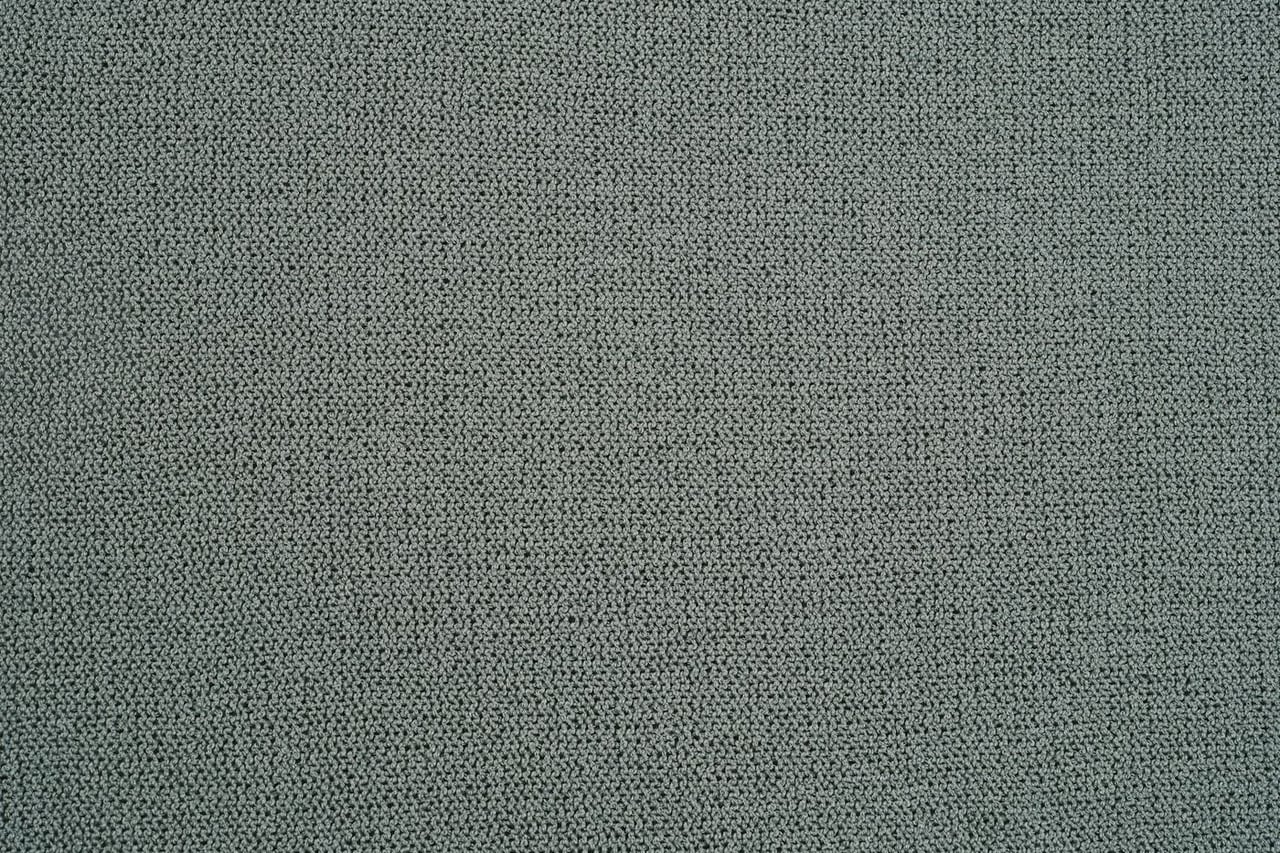
What solution-dyed acrylic is
Acrylic is a synthetic fibre spun from a polymer solution. In solution dyeing, pigment is mixed into that solution before the fibre is formed, so the colour runs right through each filament. Conventional dyeing colours the outside of a fibre or yarn after it is made. The difference shows over time: solution-dyed colour fades at the rate the fibre itself breaks down, which in acrylic is very slowly.
The cloth is woven from acrylic yarns, then usually given a water-repellent and stain-resistant finish. Our Marine Acrylic, solution dyed is 100% acrylic with a fluorocarbon water-repellent finish and mould and mildew resistance, priced by the metre on enquiry.
Why acrylic is the standard for shade
That is why we use solution-dyed acrylic on the Poolside Cabana, our parasols and the Outdoor Living range of cushions and curtains.
- Strong colours stay strong through years of sun, which matters on a hotel terrace where a faded parasol looks neglected.
- Acrylic keeps its strength in sunlight better than cotton, nylon or most polyesters; see UV-resistant tent fabric.
- Fungi cannot feed on acrylic, so it does not rot and it tolerates damp, salt air and pool splash. Mildew can still grow on dirt left on the surface.
- It feels like a soft canvas, drapes well and lets air through, so cushions and cabanas do not feel sweaty or plasticky.
Acrylic compared with the alternatives
Shade and outdoor furniture can be made from several cloths, and each suits a different job:
| Fabric | Colour life | Water | Feel | Best for |
|---|---|---|---|---|
| Solution-dyed acrylic | Excellent | Water-repellent, not fully waterproof | Soft, canvas-like | Awnings, parasols, cabanas, cushions |
| Treated cotton canvas | Fair | Swells to resist rain | Natural, heavy | Canopies and tents with a traditional look |
| PU-backed polyester (600D) | Good | Waterproof backing | Smooth, synthetic | Furniture covers, BBQ covers |
| PVC-coated polyester | Good | Fully waterproof | Plastic | Rain-proof roofs and blinds |
| Knitted HDPE | Good | Lets rain through | Open mesh | Shade sails over play areas, car parks, gardens |
The limits: rain, fire and heat
Acrylic sheds showers well thanks to its finish, but under sustained heavy rain it can mist or drip through, and stitched seams can seep. It is a shade fabric first. If a covered space must stay dry in a downpour, use a PVC roof or a coated acrylic, and design the canopy with a fall so water runs off rather than ponding. Our Pergola Canvas Cover has the fall built into the cut for this reason.
Standard acrylic is not fire-retardant and burns readily. Restaurants, hotels and event venues often need certified FR cloth for canopies over the public. Our Restaurant Canopy Project is specified in marine or fire-retardant canvas according to what the venue requires; check with your fire authority first.
Keep acrylic away from barbecues, heaters and fire pits. Synthetic fibres melt rather than char.
Fabrication details that decide service life
The cloth is often the longest-lived part of an acrylic product. What fails first is usually something else:
- Thread: ordinary thread rots in the sun long before acrylic fades. Exposed seams should use UV-stabilised polyester or PTFE thread.
- Hardware: stainless steel or brass fittings, especially near pools and the sea. Our cabana uses stainless fixings throughout.
- Foam: for cushions, reticulated quick-dry foam drains instead of holding water, which is what lets an acrylic cushion live outdoors. Our Outdoor Cushion 18" pairs it with a mesh drainage panel.
- Tension and fall: a slack canopy flogs in wind and ponds in rain. Turnbuckles and a cut-in fall prevent both.
Choosing colour and pattern
Colour changes how a shade fabric performs as well as how it looks. Dark acrylics block more light and give deeper, denser shade, but they absorb more heat and can feel warmer to sit under on a still afternoon. Light colours let more daylight through, so the space underneath feels bright, and they stay cooler to the touch. Many hotels settle on a mid-tone such as sand, taupe or a muted stripe, which hides dust and pool splash between cleans.
Stripes and patterns in acrylic are usually woven from yarns of different solution-dyed colours, not printed on the surface. That is why a striped cabana keeps crisp edges for years where a printed fabric would soften. If you need to match an existing scheme or a brand colour, ask for a physical swatch rather than relying on a screen, and check it in daylight on site. Colour batches vary slightly between production runs, so order enough for a whole terrace at once, plus spare cloth for later repairs.
Caring for acrylic canvas
Brush off loose dirt regularly; dirt is what mildew feeds on. To clean, use lukewarm water with a mild soap and a soft brush, rinse thoroughly and let it air dry before rolling up a parasol or storing cushions. Do not machine-dry or iron. Check the mill’s care instructions before using anything stronger than mild soap, and test any cleaner on a hidden area first.
The water-repellent finish wears with cleaning and weather. When water stops beading, a compatible fluorine-free reproofer restores it. Rules on PFAS-based finishes are tightening in several markets; if you are importing into the EU or certain US states, ask your supplier what finish is used and check the current rules with your national authority.
Ordering acrylic by the metre or made up
We sell solution-dyed acrylic by the metre and make it up into cabanas, parasols, cushions, curtains and pergola covers. Fabricators buying cloth only should tell us the end use, because a cushion, an awning and a boat cover each want a slightly different finish and thread. For a terrace, pool deck or restaurant, send us your dimensions and whether you need fire certification, and we will quote the cloth and the made-up pieces together.
Questions buyers ask
Is acrylic canvas waterproof?
It is water-repellent, not fully waterproof. It sheds showers well but can drip under sustained heavy rain, so use a PVC or coated roof where a space must stay dry.
How long does solution-dyed acrylic last?
Many years in full sun is typical for good-quality cloth. Thread, zips and hardware often need attention before the fabric does.
Does acrylic fabric get mildew?
The fibre does not rot, but mildew can grow on dirt and organic matter on the surface. Regular brushing and cleaning prevent it.
Is acrylic canvas fire-retardant?
Not as standard. If a venue or authority requires certified FR fabric, specify an FR-rated cloth from the start.
Acrylic or polyester for outdoor cushions?
Solution-dyed acrylic holds colour longer and feels softer; PU-backed polyester is cheaper and better for waterproof covers.