Buying vs renting event tents: how to decide
Rent if you need a tent once or twice a year, need a size you will not use again, or have nowhere to store it. Buy when you use the same structure often enough that hire fees exceed the purchase price plus the real costs of owning it: storage, transport, labour, cleaning, repairs and insurance. The break-even point is a simple sum using your own local hire quotes, and for venues and planners using a structure most weekends it can arrive within a season.
6 min read · Updated
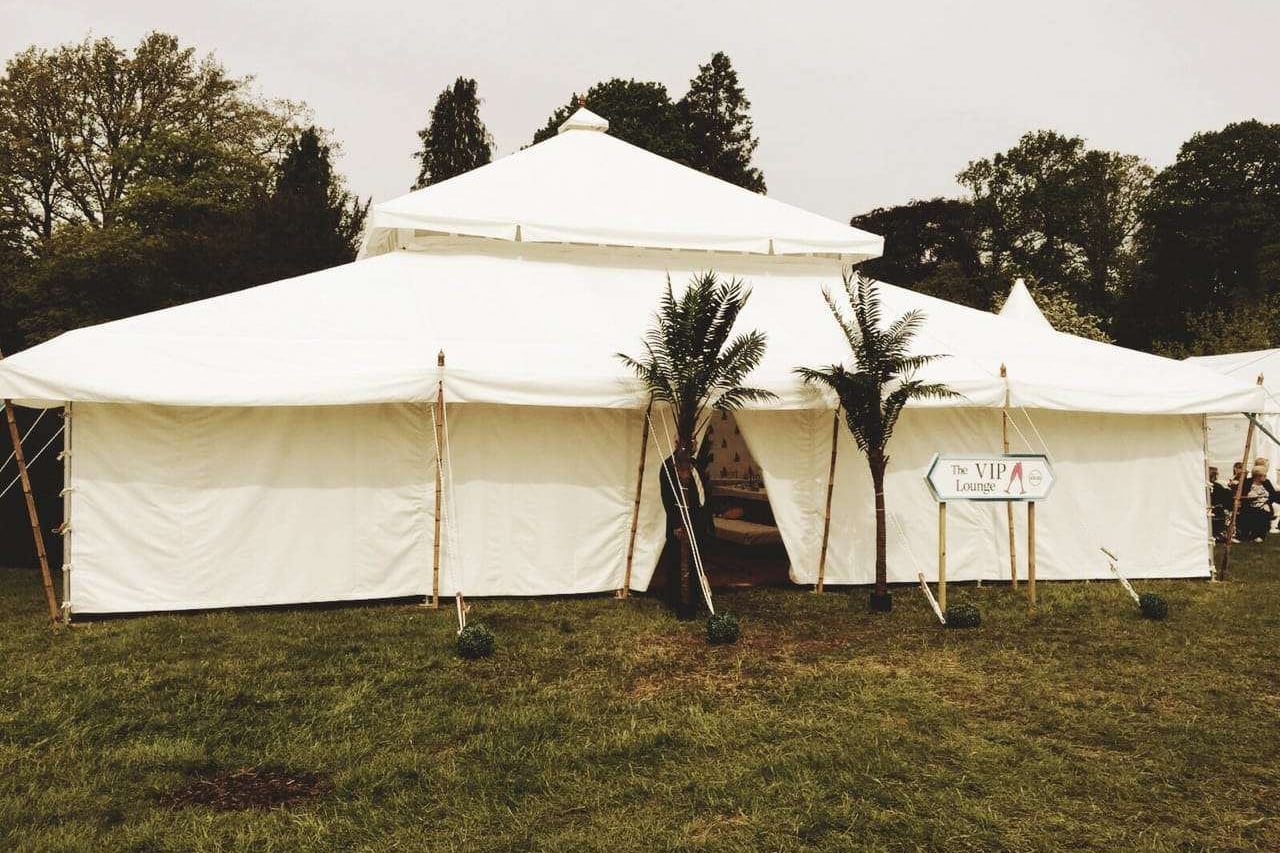
Who should rent event tents and who should buy
Most people asking this question already lean one way. Check that lean against the numbers and against the practical points that never appear on a hire invoice.
- Rent for a single wedding or party, an annual event with changing size, or a structure so large you would need a crew and a warehouse to own it.
- Buy if you are a venue, hotel or restaurant that uses the same cover most weeks, a brand exhibiting at several shows a year, a planner who keeps quoting the same pieces, or a firm building hire stock.
- Mix if you use small structures often but a large hall rarely: own the pagodas and canopies, hire the big top.
The real cost of owning an event tent
The catalogue price is the smallest part of ownership for most buyers. Before comparing with a hire quote, list every cost you will carry:
- Landed cost: ex-works price plus freight, insurance in transit, import duties and clearance. Our guide to tent import duties and HS codes explains what to ask your customs broker.
- Storage: a dry, ventilated space with racking. Canvas stored damp is ruined, so a damp garage is a false saving.
- Transport: a van for pagodas and canopies, a truck for a clear-span hall.
- Labour: a crew for every build and strike, and time to train them.
- Cleaning and drying: space to dry canvas after a wet event, and occasional professional cleaning.
- Repairs and spares: replacement panels, pegs, fixings and the odd bent leg.
- Ballast, flooring and insurance: often forgotten, and sometimes as much as the tent.
How to work out the break-even point
The calculation is short. Work out what each use saves you, which is the hire fee minus your own cost per use, then divide the landed cost of the tent by that saving. The answer is the number of uses before the tent has paid for itself.
The table uses illustrative figures only, so the logic is clear. Replace them with your own landed cost from a supplier quote and real hire quotes from local firms, because hire rates vary enormously between cities and seasons.
Two refinements make the sum more honest. First, compare the answer with the structure’s working life: if break-even is forty uses and you hold twelve events a year, you are betting on the tent staying presentable for more than three seasons. Second, count the work you would win as well as the work you have. A firm that owns its structures can accept short-notice bookings it would otherwise turn away, and those jobs belong in the calculation.
| Structure | Landed cost | Hire per use | Own cost per use | Break-even |
|---|---|---|---|---|
| 3 × 3 m pagoda | $600 | $150 | $50 | 6 uses |
| 6 × 6 m shamiana | $800 | $250 | $90 | 5 uses |
| 10 × 15 m clear-span hall | $5,000 | $2,000 | $900 | 5 uses |
Reasons to buy that a spreadsheet misses
Availability is the big one. In wedding season, hire stock in many cities is booked months ahead, and the firm that owns its structures can say yes to a date. Control is the second: you know how your canvas has been treated, cleaned and stored, and it arrives looking the way your client saw it in the photographs.
Distinctive pieces are the third. Hire fleets are built around white PVC frame tents because they suit everyone. If your work depends on a hand-appliquéd Rajasthani Shamiana, a dressed Wedding Lounge Canopy or a Mughal pavilion, you will rarely find them for hire outside India, and owning them becomes part of what you sell. Exhibitors gain consistency too: the same printed pagoda stand at every show, built by staff who know it.
Reasons to keep renting
With a good hire company, delivery, installation, ballast, flooring, lighting, engineering paperwork and the conversation with the fire officer usually come in the price, and the risk of a storm-damaged roof sits with them. For a one-off event of three hundred guests, that package is hard to beat.
Renting also suits uncertainty. If you do not yet know whether an event will repeat, or what size it will be next year, hire it once and decide with real attendance figures in hand.
Mixing buying and renting
Few buyers end up purely on one side. Restaurants and resorts often buy a season-long installation such as a restaurant canopy project, where a seasonal cloth replacement contract is available, and hire extra cover for peak events. Planners buy the signature pieces and hire the generic hall. Some owners hire their own stock out to other planners in quiet weeks, which shortens the payback considerably; our guide to starting a tent rental business covers that path.
Buying event tents for a long service life
A purchased tent earns back its cost over years, so specify for durability rather than the lowest price. Look for replaceable panels, walls and valances, so damage to one part does not retire the structure. Choose standard sizes that link to each other. PVC wipes clean between hires; cotton canvas has the look clients ask for but needs careful drying, so read our guide on how to store a canvas tent before the first wet event.
Ask what is included. Our clear-span hall comes with an installation crew and drawing; most smaller structures ship flat-packed with numbered parts for your own crew. Browse the event structures range, or send us your annual event calendar through the contact page and we will price the pieces you would use most.
Questions buyers ask
Is it cheaper to buy or rent a wedding tent?
For a single wedding, renting is almost always cheaper once storage, transport and labour are counted. Buying makes sense for venues and planners who use the same structure repeatedly.
How many uses before a bought tent pays for itself?
Divide the landed cost by what each use saves you, the hire fee minus your own cost per use. With the illustrative figures in this guide it comes to five or six uses, but always use your own local quotes.
Can I hire out a tent I have bought?
Yes, and many owners do in quiet weeks. Check your insurance covers it and that the structure has the paperwork hire clients and venues will ask for.
Do purchased tents come with installation?
Our clear-span hall includes an installation crew and drawing. Smaller structures ship flat-packed with numbered parts and instructions for your own crew.
What is the most overlooked cost of owning a tent?
Dry storage and drying space. Canvas packed damp can be ruined by mildew within days, so you need somewhere to dry it after wet events.